Avery Schmitt · 31 August 2026
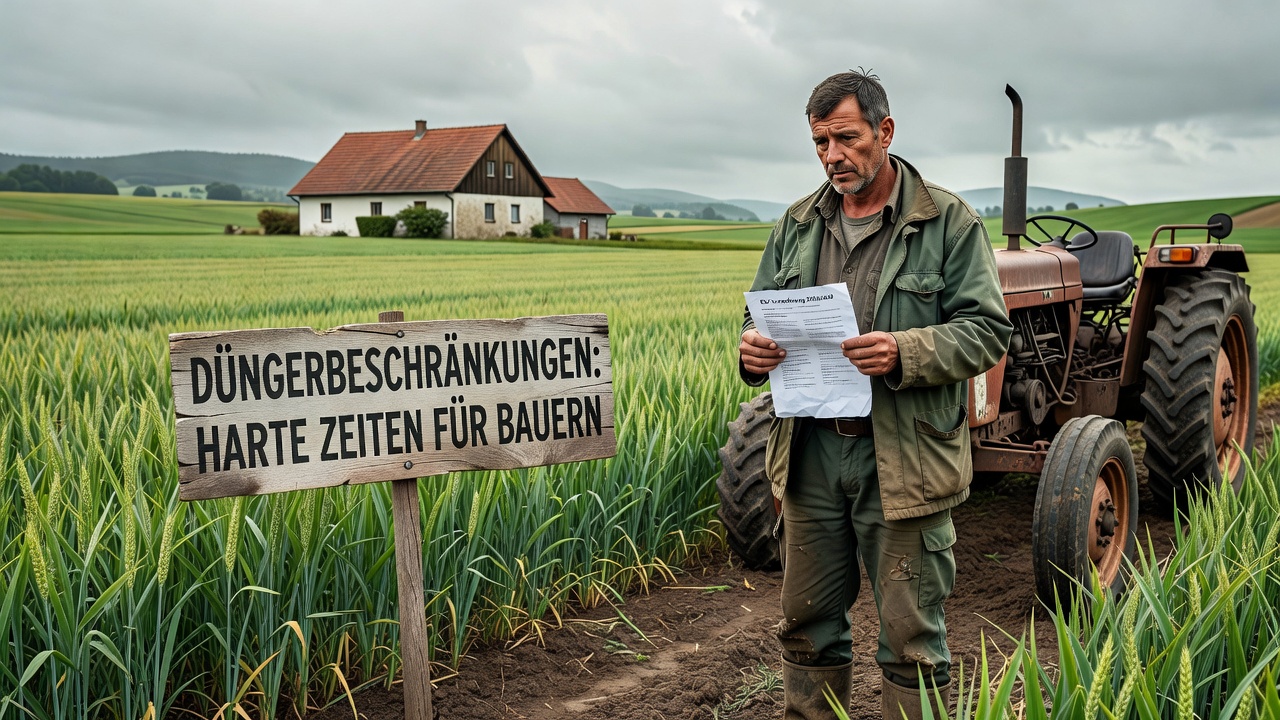
Germany's agricultural sector is preparing for stricter EU fertilizer regulations aimed at cutting nitrogen pollution in waterways and soils. The new limits, effective from 2025, cap nitrogen application rates at 170 kilograms per hectare annually for most crops, down from previous allowances exceeding 200 kilograms. This shift targets reducing nitrate levels in groundwater, which have exceeded EU thresholds in several German regions including Lower Saxony and Bavaria. Farmers growing wheat, maize, and potatoes face the greatest adjustments, as these crops traditionally require high nutrient inputs to maintain yields.
Production Challenges Emerge
Experts estimate yield reductions of 5 to 12 percent for key staples if farmers comply without alternative strategies. Soil testing requirements will intensify, with mandatory nutrient management plans submitted to regional authorities. Smaller family operations, which dominate German farming, lack resources for precision application equipment costing upwards of 50,000 euros. Larger cooperatives are exploring shared machinery pools and variable-rate technology to optimize distribution. Manure management rules also tighten, limiting storage periods and requiring covered facilities to curb ammonia emissions. These measures align with the EU Green Deal's farm-to-fork strategy but raise concerns over competitiveness against non-EU imports from regions with looser standards.
Adaptation and Policy Support
Government subsidies for cover crops and legume rotations aim to offset nitrogen shortfalls naturally. Research institutions promote enhanced-efficiency fertilizers that release nutrients gradually, though adoption remains slow due to higher upfront costs. Protests by farmer associations highlight fears of income losses averaging 8,000 euros per farm annually. Negotiations continue in Brussels for transitional funding through the Common Agricultural Policy. Monitoring via satellite and drone imagery will verify compliance, with penalties including subsidy cuts for violations. Overall, the regulations signal a broader transition toward sustainable practices while testing the resilience of Germany's export-oriented agriculture.